
“You improve what you measure.” This is especially true for supplier collaboration, where too many companies work on gut feeling. Here are the five KPIs that really tell you whether the relationship is working — and that you need to build the business case for a portal.
1. OTIF / OTD — on-time and in-full deliveries
This is the flagship KPI of supplier performance. OTD (On-Time Delivery) measures how many deliveries arrive on time; OTIF (On-Time In-Full) adds completeness: on time and in the right quantities. A level considered excellent sits roughly between 95% and 99% in many industries. It is the first number to watch, because it directly affects production and customer service.
2. Lead time (actual vs promised)
The stated lead time is not enough: what counts is the actual one and its drift over time. Comparing the promised date with the actual one, supplier by supplier, surfaces who is getting worse before it becomes a line-stop problem. It is a finer reliability indicator than OTD.
3. PO accuracy
What share of orders flows without exceptions (correct quantities, part numbers, dates)? Order errors largely come from manual entry, as we saw in how much order errors via email and Excel cost you. Measuring PO accuracy tells you how much rework you are paying for without noticing.
4. Invoice cycle and invoice exceptions
How long from invoice to payment, and how many invoices get stuck due to mismatches with order and receipt? It is a KPI that weighs on cash and supplier relationships. Independent analyses show that aligning data upstream significantly reduces invoices requiring manual reconciliation — in the Forrester TEI of a collaboration platform, about 30% fewer.
5. Time to onboard a new supplier
How many days does it take to bring a new supplier “operational”? It is an agility KPI: fewer days mean lines replenished sooner and less administrative cost. The difference between a manual process and a guided/standardized one can be huge (in a verified case study, from 50 to 8 days).
How to make them operational
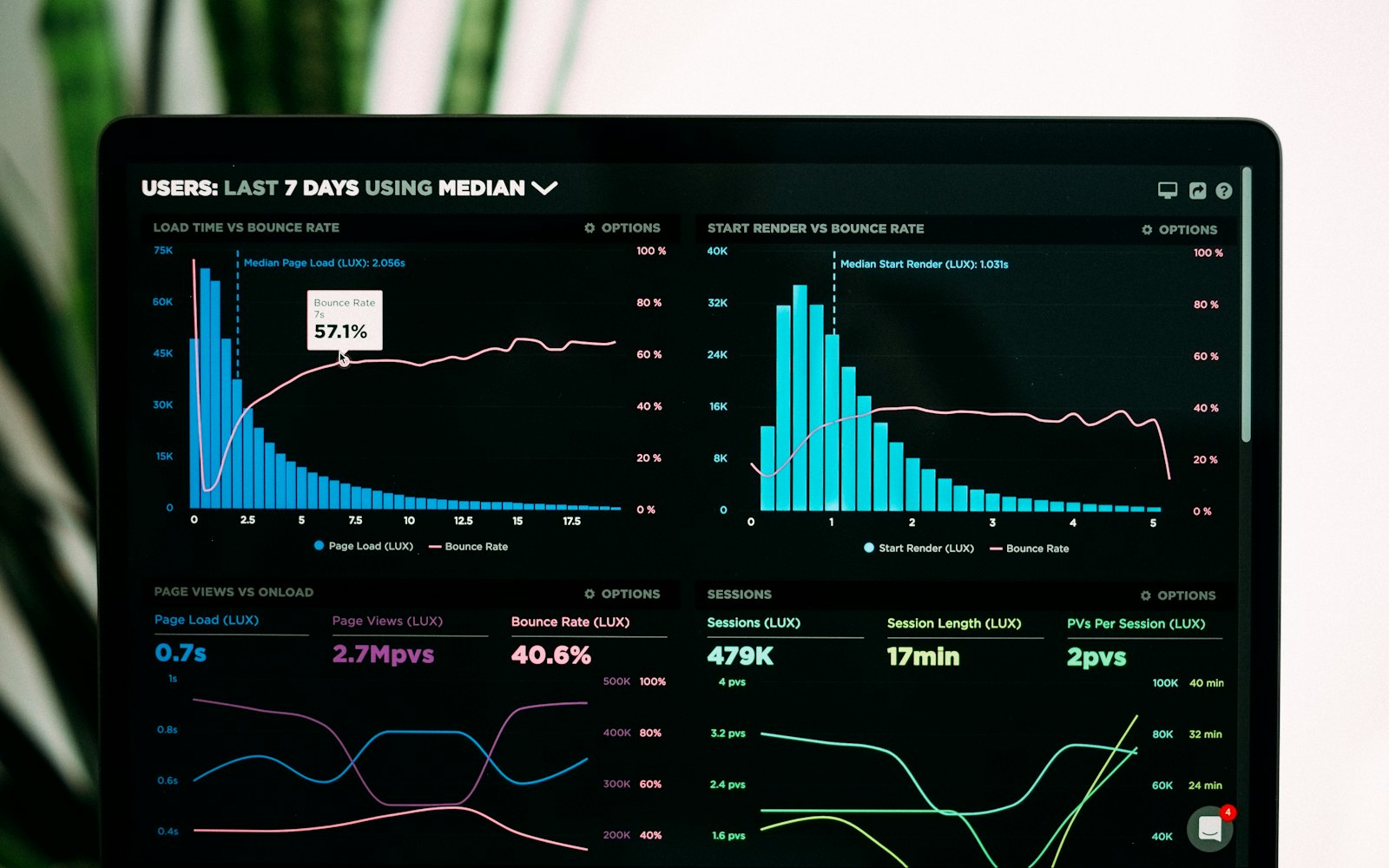
Measuring these five indicators by hand, on spreadsheets, is already half the problem. The step change is making them visible on a shared dashboard, fed by real data, so buyers and suppliers look at the same numbers. It is also one of the criteria for choosing a portal: asking for a native KPI dashboard.
In short
OTIF/OTD, lead time, PO accuracy, invoice cycle and onboarding time are the five numbers that turn supplier collaboration from impression into fact. Start by measuring even just two or three, make them visible, and use the trend to act. For those starting from Infor SyteLine, a KPI dashboard fed by ERP data makes this step immediate.
Want to know which KPIs you can switch on right away on your data? We can show it on your environment.